
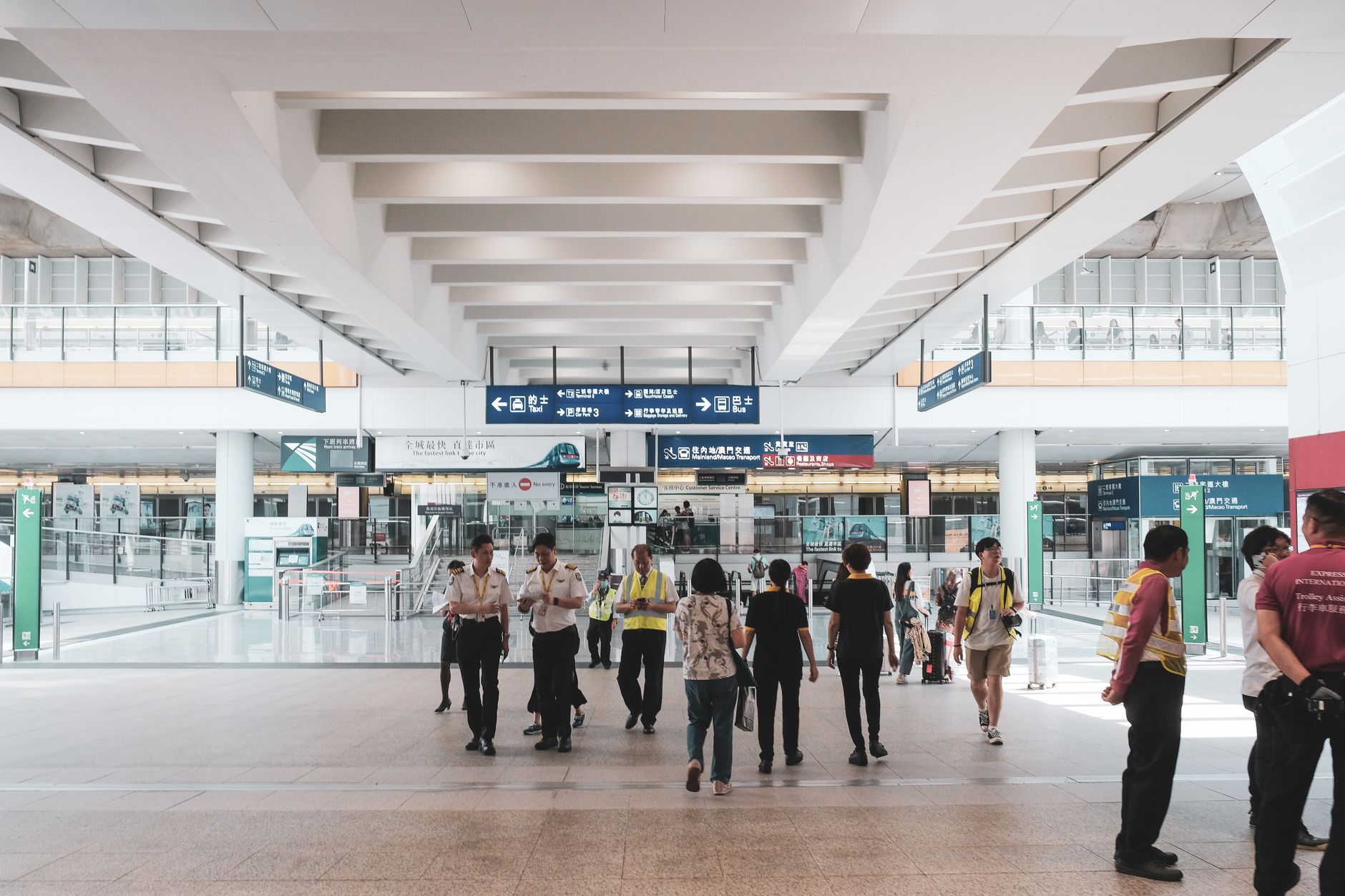
The redeveloped Huanggang port faced its first major test over the Chung Yeung Festival long weekend, with record crowds, more than 30,000 departures in four hours on Sunday, and some reported waits of up to two hours. For anyone commuting between Shenzhen and Hong Kong, the lesson is to plan around peaks and use automated channels.
What happened at Huanggang
Huanggang recorded about 152,000 arrivals and departures on Sunday, the highest since the crossing opened. Hong Kong residents accounted for more than 66,000 of these. Outbound traffic was described as exceptionally heavy between 10am and 2pm, and authorities opened all inspection counters and introduced a tidal flow system to manage the crowds. On Monday, as people returned, about 9,400 arrived between 2pm and 4pm, and operations were described as generally smooth.
| Measure | Reported figure |
|---|---|
| Total crossings, all checkpoints (Sunday) | Over 1.32 million |
| Huanggang crossings (Sunday) | About 152,000 |
| Huanggang departures, 10am to 2pm | More than 30,000 |
| Peak hour departures, 1pm to 2pm | More than 9,700 |
| Official wait estimate at peak | 30 to 45 minutes (some travellers reported two hours) |
For comparison, Lo Wu handled nearly 260,000 crossings and the Lok Ma Chau Spur Line more than 200,000, so Huanggang is not the only crossing under pressure on holiday dates.
How authorities are responding
The Security Bureau asked travellers to follow staff instructions, register for the automated channels beforehand, and avoid crossing at peak times. The Transport Department said it would deploy about 120 franchised buses, 40 scheduled-route minibuses and 130 cross-boundary coaches, with some on standby. During busy periods, franchised buses can run every two to three minutes, and minibuses and coaches every three to four minutes. Operators have also been asked to monitor passenger and vehicle flows in real time.
What this means for people planning a Hong Kong move or company
Many professionals and business owners who are setting up in Hong Kong keep a connection to the Greater Bay Area, whether through a Shenzhen home, a mainland supplier or regular client visits. A few practical points follow from this weekend:
- Avoid public holiday peaks for time-sensitive trips. Do not schedule bank appointments, document signings, notarisation or immigration-related visits for the day after a long weekend if you are crossing the border that morning.
- Register for automated channels in advance where you are eligible. Eligibility depends on your status, so check the Immigration Department's current rules before travelling.
- Build in buffer time. Official estimates and traveller experiences differed noticeably, so allow extra time for important meetings.
- Consider alternative crossings. Compare Lo Wu, Lok Ma Chau and other checkpoints, though these also carried heavy traffic.
- Keep documents ready. Valid travel documents, visa or entry permits and Hong Kong identity cards, if applicable, help you pass through the checkpoint more quickly.
None of this changes visa or company registration requirements. But cross-border logistics are a real part of living and working between Hong Kong and the mainland, and they affect how you schedule signings, in-person verification and meetings with service providers.
If you are weighing a move to Hong Kong, a company setup or a visa application and want to arrange the timeline around your travel commitments, Shafin International can help you plan the process step by step. Get in touch to discuss your situation.