
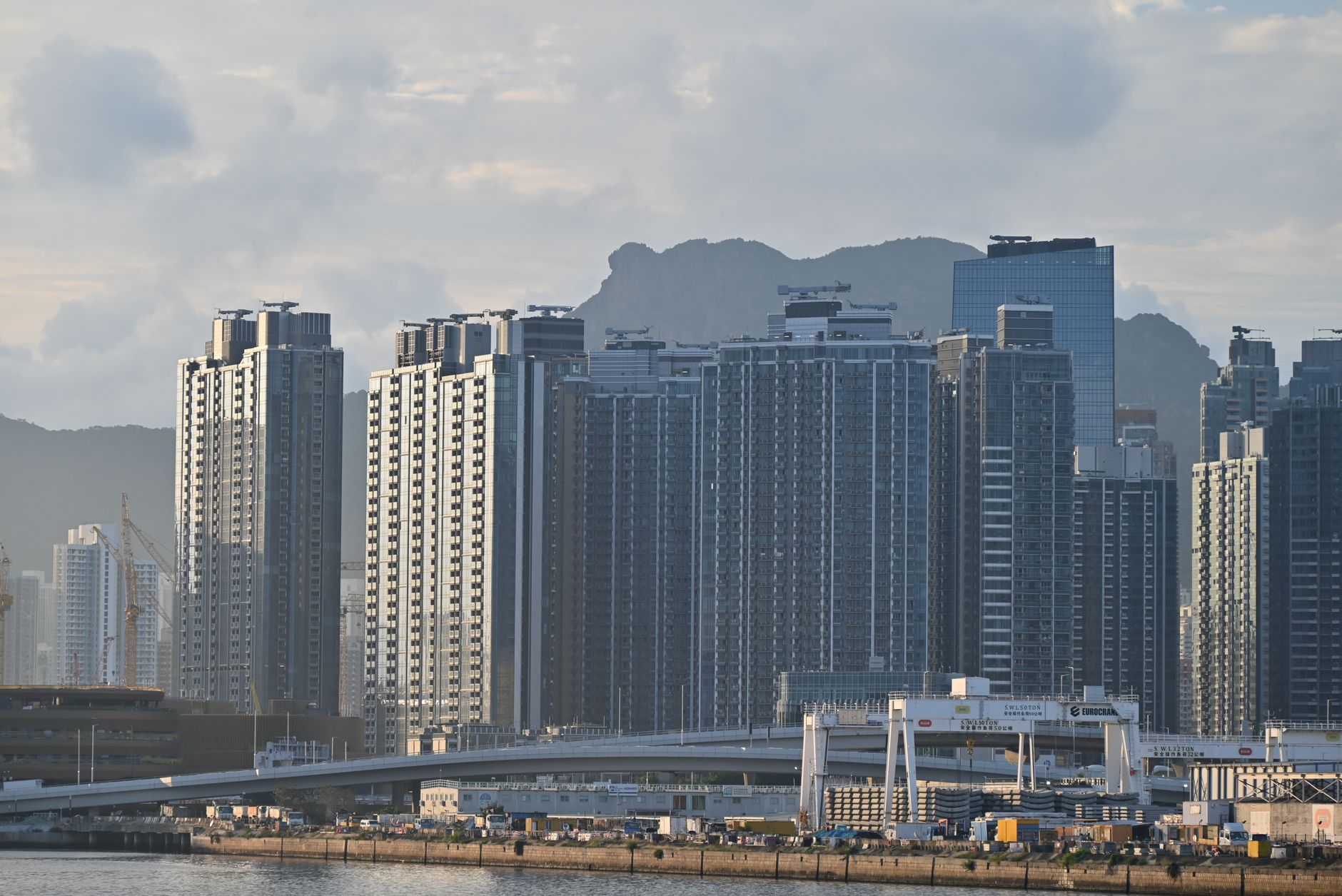
Hong Kong's Immigration Department has said that residents of Hong Kong and the mainland must register with immigration authorities on both sides of the border to use the automated "joint clearance" channels at the redeveloped Huanggang Port. The model lets travellers complete both sets of immigration checks in one stop. Manual counters remain available for everyone else.
What is changing at Huanggang
Under the "collaborative inspection and joint clearance" model, travellers will no longer go through Hong Kong and mainland immigration in two separate stages. They will clear both in a single stop. The department expects around 100,000 travellers a day to use the control point once operations begin, so processing time matters for the many people who cross regularly for work, family or business.
The automated channels will not work without prior registration. Because the process involves authorities on both sides, travellers need to be enrolled in both systems before they can use the channels.
Who can use the channels and how to register
Assistant director Jacky Wong Ki set out the main rules at a press briefing. The table below summarises them.
| Item | Details reported |
|---|---|
| Minimum age for automated channels | 7 and above, after registration |
| Facial-recognition clearance | Available to those aged 14 and above who register for it; travel documents need not be taken out |
| Registration options | Counters and self-service kiosks at Huanggang Port, or the Immigration Department's mobile app |
| On-the-spot registration | Adult travellers can register as they pass through the channels |
| Alternative | Traditional manual counters for those not eligible |
Mr Wong said the department will provide extra staff and helpers when the new port opens, and that registration takes only a few seconds.
Practical points for professionals and businesses
For anyone who travels between Hong Kong and Shenzhen regularly, a few practical steps are worth considering:
- Register before travelling. The mobile app lets you complete enrolment ahead of time, rather than at the port during peak hours.
- Check your eligibility. The reports describe the scheme for Hong Kong and mainland residents. Foreign nationals and other visitors should confirm whether they qualify and be ready to use manual counters if they do not.
- Keep documents current. Registration relies on valid identity and travel documents, so renewals or changes in immigration status should be sorted out first.
- Plan for teething problems. Early operations at a high-volume crossing may be busy, and families with children should note the age thresholds.
For companies, the change is mainly about reliability. Staff who commute between a Hong Kong office and operations in the Greater Bay Area may see shorter and more predictable crossing times. That could make cross-border arrangements easier to manage, though any benefit will depend on how smoothly the new system runs in practice.
Our view
The registration requirement is a small administrative step. Its effect will depend on how many travellers enrol before the port opens and how well the on-site support works. Those relocating to Hong Kong, or already holding a Hong Kong identity card, should make sure their status and documents are in order so they can use the automated channels without delay.
If you are planning a move to Hong Kong or need advice on immigration status, cross-border arrangements or company setup, Shafin International can help you work through the practical steps. Get in touch.